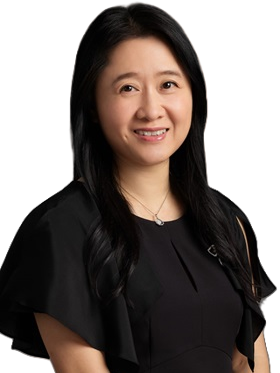
Prof. SIOK Wai Ting
Prof. Wai Ting Siok is Professor and Head of the Department of Language Science and Technology (LST) at the Hong Kong Polytechnic University. She received her Ph.D. in Psycholinguistics and Education from the University of Hong Kong and postdoctoral training at Stanford University Psychology Department and the Stanford Institute of Reading and Learning. Before joining PolyU, she was Associate Professor in the Department of Linguistics and Associate Dean of the Faculty of Arts at HKU.
Siok’s main research interest is to investigate the cognitive and neuroanatomical mechanisms underlying normal and dyslexic reading using behavioral and neuroimaging techniques (MRI, fMRI & DTI) and translate the basic research findings into educational and clinical practices. She was awarded several General Research Fund funded by the Hong Kong Research Grants Council and has served as a core investigator on several large-scale Mainland research projects such as the National Strategic Basic Research Scheme Grant, Shenzhen Peacock Team Program Grant and, more recently, Innovations of Science and Technology 2030 funded by the Ministry of Science and Technology.
The series of research work done by Siok and her team related to the neural basis of Chinese reading and dyslexia, published in Nature, PNAS, Current Biology and other journals, have collectively shown that neural networks used for reading may be culture-specific, as print-sound mapping varies substantially across writing systems. Their work has drawn international attention and aroused heated debates, and has led clinical practitioners to be aware of the need to develop culture-specific brain maps to protect the language functions of patients during brain surgery and inspire educators to develop Chinese-specific reading instruction and treatment approaches. Siok and her team also found that handwriting helps children to better memorize Chinese characters (PNAS, 2005) and that keyboard usage may negatively impact on children’s reading performance (PNAS, 2013). The latter finding has aroused concern about whether typewriting on electronic devices may increase the prevalence of reading disabilities.





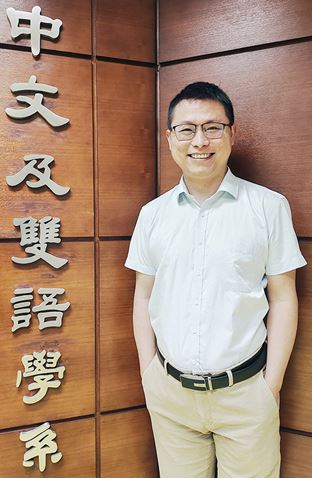
Nizhuan Wang, Ph.D.
Research Assistant Professor, PI
Dr Nizhuan WANG is currently serving as a Research Assistant Professor in the Department of Language Science and Technology (LST) at The Hong Kong Polytechnic University, Hong Kong SAR, China. Prior to this role, he held positions at Shenzhen University as an Assistant Professor, Jiangsu Ocean University as a full Professor, and ShanghaiTech University as an Associate Researcher from 2016 to 2024. He earned his B.S., M.S., and Ph.D. degrees from Heilongjiang University in 2010, Shanghai Maritime University in 2012 and 2016, respectively.
Dr WANG is a senior member of Chinese Biomedical Engineering Society, a member of Chinese Artificial Intelligence Society, a member of Chinese Neuroscience Society, a member of the board of the Shanghai Association for Noetic Science, a member of OHBM, the Program Committee member of 2018 IEEE ICIA, 2022 Chinese Conference on Biometric Recognition (CCBR), 2025 Pacific Asia Conference on Language, Information and Computation (PACLIC), and 2026 AAAI Conference on Artificial Intelligence (AAAI 2026), the Session Chairs of 2017 IEEE ICIA and 2018 ICIS, the Keynote Speaker of 2020 ICMLCA, the Program Committee Chair and Keynote Speaker of 2021 ICBIC, Keynote Speaker of 2022 ICBIC, Guest Associate Editor of Frontiers in Neuroscience and Review Editor of Frontiers in Human Neuroscience and Frontiers in Radiology.
Dr WANG has published over 90 scientific papers in many journals and conferences, i.e., IEEE TMI, IEEE TIM, IEEE TBME, IEEE JBHI, IEEE TNSRE, J Med Internet Res, Neural Netw, Hum Brain Mapp, Magn Reson Imaging, Brain Lang, J Neurolinguistics, AAAI, MICCAI, ICME, etc. He serves as the reviewer of many top journals such as Nat Comput Sci, Neuroimage, Hum Brain Mapp, IEEE Transactions, MED IMAGE ANAL, etc.
Research Interests/ Expertise:
Artificial Intelligence, Brain-Computer Interface, Neuroimaging, Computational Linguistics, Neurolinguistics, Medical Big Data Analysis, Neuroscience, Brain Disorders
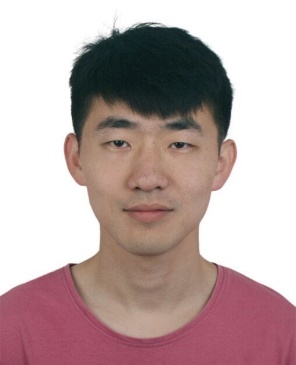
Bo Chai, Ph.D.
Research Assistant Professor
Dr. CHAI Bo is currently a Research Assistant Professor at the Laboratory for Neurodevelopment of Reading and Language. He received his bachelor’s degree from University of Electronic Science and Technology of China, and his master’s and Ph.D. degrees from The University of Hong Kong. His doctoral research primarily investigated signal processing methods, including frequency and spectral analysis (applied to speech, EEG, and other signals), state estimation and tracking, and array signal processing techniques such as direction-of-arrival estimation and beamforming.
Following his Ph.D., Dr. CHAI worked as a Postdoctoral Fellow at the School of Design, where he led the Smart Traffic Fund project on developing real-time monitoring and recognition systems for drivers’ emotional states. In this role, he was primarily responsible for model development, multimodal data processing (including EEG, eye-tracking, and related signals), and experimental design.
Research Interests/ Expertise:
Machine Learning / Deep Learning, Signal Processing, Time Series Analysis, Affective Computing
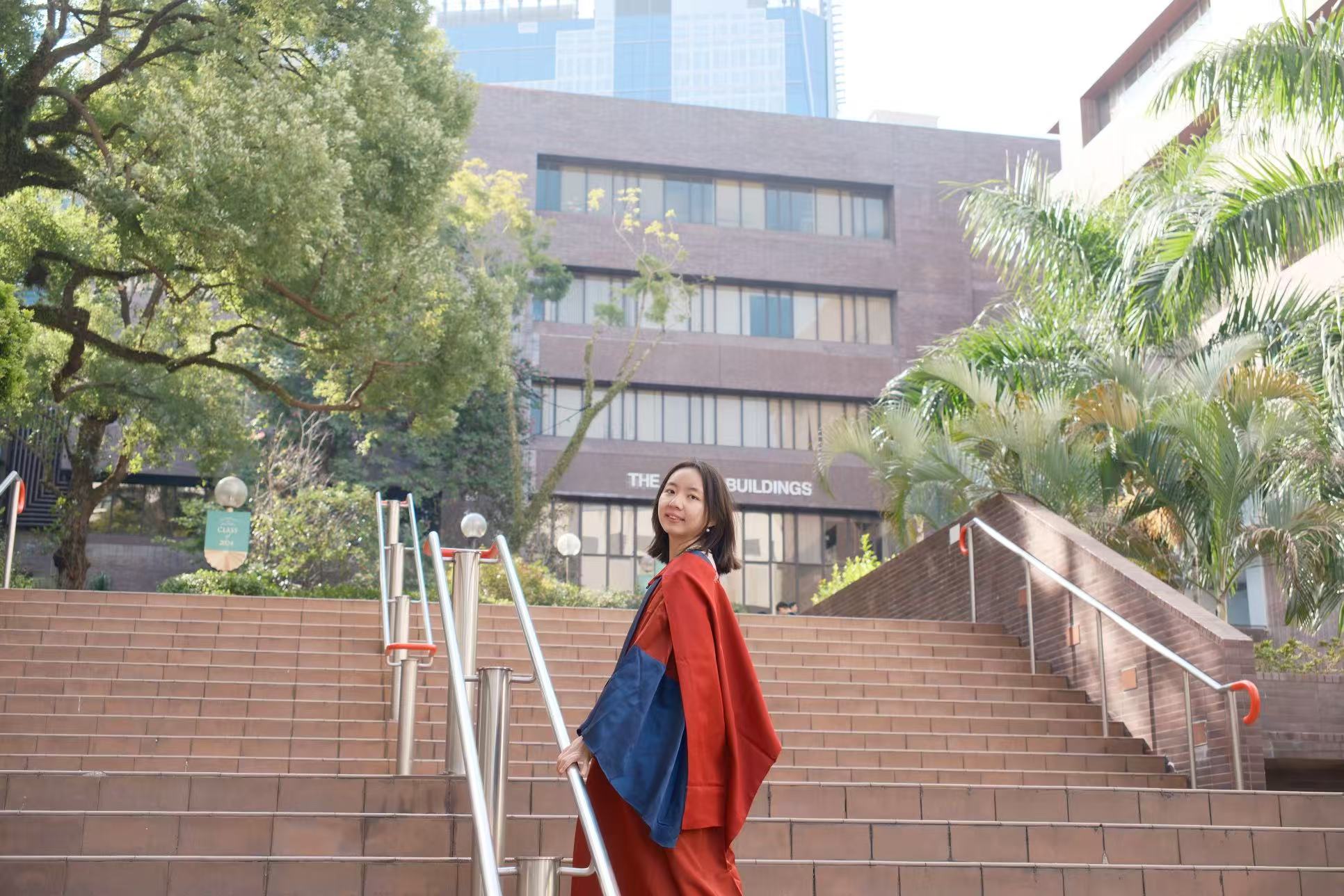
Dr Lily Tian Jiang, Ph.D.
Postdoctoral Fellow
Dr. Lily Jiang joined PolyU as a postdoctoral fellow in 2024. She earned her PhD in Neurolinguistics in the same year and completed her honored BA in Psychology and Linguistics in 2019 at The University of Hong Kong.
Lily’s research is centered on the development of reading and writing in children, focusing on the cognitive processes involved in both typically developing children and those with learning disorders. Her interdisciplinary approach integrates methodologies from psychology, linguistics, and neuroscience to investigate the factors that influence the acquisition of reading and writing skills during early and middle childhood. A significant aspect of her work examines the Chinese language, with particular attention to how orthographic features contribute to the mechanisms underlying dyslexia and dysgraphia.
Lily aims to develop insights that will inform educational strategies designed to enhance effective reading and writing development among children. Through her research, Lily aspires to contribute to a deeper understanding of Chinese early literacy acquisition and to support interventions that promote academic success for all learners.
Research Interests/ Expertise:
Child language, Visual word recognition
Qingchun Wang, Ph.D.
Postdoctoral Fellow
Qingchun Wang joined the Laboratory for Neurodevelopment of Reading and Language as a Postdoctoral Fellow after receiving her Ph.D. in Linguistics from the University of Hong Kong.
Dr. Wang is particularly interested in the neurobiological and neuropsychological patterns of language recovery. She works closely with brain-damaged patients who suffer from language impairments resulting from neurological disorders, including language disabilities in comprehension and production. Using advanced neuroimaging techniques (mainly anatomical, structural and functional MRI), together with detailed neuropsychological evaluations, Dr. WANG and her colleagues are interested in finding the key biomarkers for language rehabilitation.
At the Department of Language Science and Technology (LST), Dr. Wang will continue to focus on understanding the recovery of brain functions and behavioral performances of aphasic patients. Supervised by Prof. Wai Ting Siok, the team will work with expanded patient populations (from children to adults and seniors) to explore the neurobiological pattern of linguistic regains.
Research Interests/ Expertise:
Aphasia, Cognitive neuroscience, Structural and functional connectivity

Ms Cheryl Wenxiyuan Deng
PhD Student
I obtained my Bachelor’s degree in Psychology from the City University of Hong Kong and my MRes degree in Cognitive Neuroscience from University College London. My research interests are situated at the intersection of cognitive neuroscience and psycholinguistics, with a particular focus on Autism Spectrum Condition (ASC). I am deeply committed to understanding the neural underpinnings of cognitive functions and language processing in individuals with autism. My current work endeavors to elucidate how the unique cognitive profiles associated with autism influence their language acquisition and use, aiming to bridge the gaps in literacy trajectories of Chinese autistic populations. My research employs a variety of neuroimaging techniques, such as EEG and fMRI, alongside behavioral measures like eye-tracking. The ultimate objective of my research is to demystify the complexities of the human brain and contribute to the development of more effective interventions and support systems for individuals on the autism spectrum.
Research Interests/ Expertise:
Cognitive neuroscience, Autism, Psycholinguistics, Chinese reading
Mr Haoshen Wang
PhD Student
I’m a PhD student working in the Department of Language Science and Technology (LST) at the Hong Kong Polytechnic University. Before that, I received my bachelor degree from Dalian University of Technology and master degree from ShanghaiTech University.
Research Interests/ Expertise:
LLM for mental health diagnosis, Generative models.
Ms Yanyan Chen
PhD Student
I obtained my bachelor’s degree in Biomedical Engineering from Shenzhen University and master‘s degree in the same major from Beihang University. Currently I am a new PhD student in the Laboratory for Neurodevelopment of Reading and Language.
Research Interests/ Expertise:
Neurocognitive Studies of Language and Clinical Linguistics
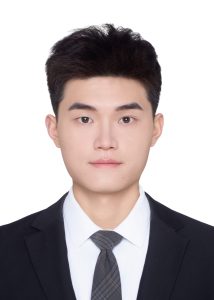
Mr Yueyang Li
PhD Student
I’m a PhD student working in the Department of Language Science and Technology (LST) at the Hong Kong Polytechnic University. Prior to this role, he received the BS degree in information management and information system from the University of Shanghai Maritime University, Shanghai, China, in 2023.
Research Interests/ Expertise:
Artificial Intelligence, Brain-Computer Interface, Neuroimaging, Computational Linguistics, Neurolinguistics, Medical Big Data Analysis, Neuroscience, Brain Disorders
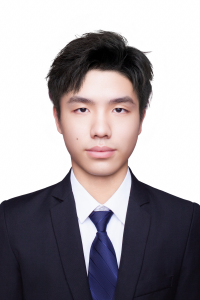
Mr Dongyi He
PhD Student
Dongyi He is currently a PhD Student at the Laboratory for Neurodevelopment of Reading and Language (NDRL) at The Hong Kong Polytechnic University and is pursuing a Bachelor of Engineering in Artificial Intelligence at Chongqing University of Technology. He serves as a reviewer for several academic journals, including Applied Intelligence, Scientific Reports, and Nonlinear Dynamics, and is also a member of the Chinese Association for Artificial Intelligence (CAAI) and the Chinese Society of Biomedical Engineering (CSBME). He has participated in and led several national-, and municipal-level research projects, focusing on the application of artificial intelligence to neuroscience and biomedical signal analysis.
Research Interests / Expertise: Artificial Intelligence, Neuroengineering, Cognitive Neuroscience, Neuroimaging, Multimodal Learning, EEG/fMRI Analysis, Affective Computing
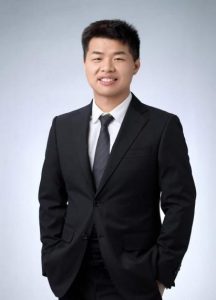
Mr Pu Jin
PhD Student
Pu Jin is a Doctor of Applied Linguistic Science student at The Hong Kong Polytechnic University. His research interests include AI-mediated language learning, adaptive language scaffolding, and data-informed educational interventions. Drawing on his background in language teaching and assessment, including experience as a Cambridge English Speaking Examiner, he is particularly interested in the intersection of language education, artificial intelligence, human-computer interaction, and neurotechnology.
Research Interests: AI-mediated language learning; adaptive language scaffolding; data-informed educational interventions; human-computer interaction; neurotechnology and brain-computer interfaces.
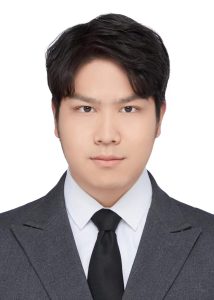
Mr Yang Li
MPhil Student
Yang Li is an MPhil student supervised by Dr Nizhuan Wang and Prof. Wai Ting Siok. He received his B.S. degree from Beijing University of Chinese Medicine in 2022, where he began working on brain–computer interfaces. Before joining the laboratory he worked on question answering under ambiguity at Hong Kong Metropolitan University (EMNLP 2025 Main Conference, oral), the XAgent multi-agent framework at the Tsinghua University NLP Laboratory, and CodeGeeX (KDD 2023) at Zhipu AI / Tsinghua KEG.
His principal research line is memory in large language model agents — how an agent organises, consolidates, forgets, and re-instantiates what it knows so as to stay coherent over long horizons. He proposed BMAM, a brain-inspired multi-agent memory framework (ACL 2026 Findings), and AURA, an intent-directed probing mechanism for situated agents (EMNLP 2026 Main Conference). He also works on brain–computer interfaces, and aims to join the two: neural decoding to constrain how artificial memory is built, and brain-inspired memory to make BCI-driven language systems adapt to the individual user over time. He reviews for the Natural Language Processing Journal and the IEEE Internet of Things Journal, leads localization for the Hugging Face Chinese Community, and volunteers at AITIME.
Research Interests/ Expertise:
LLM Agents, Agent Memory, Brain-Computer Interface, Brain-inspired Computing, Neural Decoding, Multi-agent Systems, Computational Linguistics, Neurolinguistics

Ms Zoe Cheuk Yee SHUM
MPhil Student
Zoe is currently a first-year MPhil student. Having completed an undergraduate degree in Translation and Linguistics at PolyU, she has developed a strong foundation in language processing and communication. Her research interests focus on psycholinguistics, neurolinguistics, and bilingualism.
Currently, she is conducting experiments on children with learning disorders, utilizing various neurobiological techniques, including functional magnetic resonance imaging (fMRI). Through this work, she seeks to contribute to a deeper understanding of language functioning in the brain, particularly for individuals facing learning challenges.
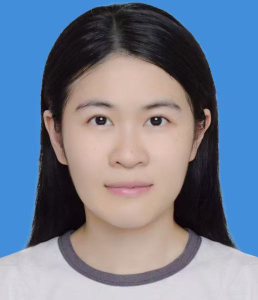
Ms Dongsu Yan
Research Assistant
Dongsy Yan currently is a Research Assistant in the Laboratory for Neurodevelopment of Reading and Language at The Hong Kong Polytechnic University.
She holds a Master’s degree in Psychology from Shenzhen University. Her primary research interests lie in child language development and the associated development of cognitive abilities. She employs brain imaging techniques alongside psychological experimentation to investigate language development in children. Ms. Yan possesses specialized expertise in utilizing functional Near-Infrared Spectroscopy (fNIRS) and designing psychology experiments. She is currently pursuing advanced studies in fMRI data analysis and exploring the potential of large language models (LLMs) to gain deeper insights into the understanding of the human brain. Ms. Yan has published a paper in NeuroImage.

Ms Shuran Chen
Research Assistant
Chen Shuran holds both a Bachelor’s and a Master’s degree from Lanzhou University. During her Master’s studies, as a member of the renowned UAIS Laboratory, focused on cutting-edge research in Affective Computing, Machine Learning and EEG Signal Processing. A significant aspect of her experience includes contributing as a team member to multiple Key Projects supported by the National Natural Science Foundation of China (NSFC).

Ms Kamin Tam Chi Wai
Research Assistant
Kamin Tam Chi Wai is a Research Assistant at The Hong Kong Polytechnic University, with a background in Language and Speech Science. She has hands-on experience in EEG research and ABA therapy, and is passionate about the intersection of neuroscience and language. Her recent EEG study explored how brain hemispheres contribute to language proficiency and intuition across students from different academic disciplines. She is particularly interested in how neural activity reflects cognitive and linguistic diversity, and aims to bridge neuroscience with real-world language learning and communication.
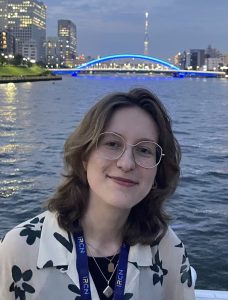
Ms Kristin Langohr
Research Assistant
I obtained my bachelor’s degree in psychology with a minor in Neuroscience at the University of Groningen and am completing my master’s degree in psychology specializing in cognitive neuroscience at Lund University. My primary research interest lies in developmental cognitive neuroscience, specifically in the study of memory and language. During my prior research internships, I gained expertise in utilizing neuroimaging methods and designing psychological experiments. I look forward to applying this knowledge to exploring the neurodevelopmental mechanisms underlying language acquisition and reading. Also, I am excited to gain a deeper understanding of multimodal data processing methods.
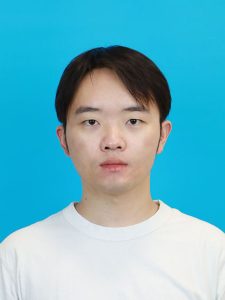
Mr Haodong Zhang
Research Assistant
Zhang Haodong received his bachelor’s degree in Polymer Materials and Engineering from Zhejiang University of Technology, Hangzhou, China, and his master’s degree in Electronic Information from Northwestern Polytechnical University, Xi’an, China. He is currently a Research Assistant at the Laboratory for Neurodevelopment of Reading and Language. Before joining the laboratory, he worked on AI infrastructure–related research and development at Huawei’s Central Research Institute. His research interests include artificial intelligence, AI-driven brain-computer interfaces, and related interdisciplinary research.
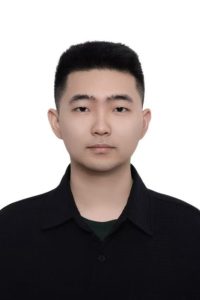
Mr Zijian Kang
Research Assistant
Zijian Kang received his bachelor’s degree in Architecture from Chongqing University, Chongqing, China, in 2022. He is currently pursuing his master’s degree in Computer Science and Technology at Shanghai Maritime University, Shanghai, China, where he enrolled in 2024. His research interests focus on multimodal affective computing and EEG signal reconstruction.

Mr XiangHu YU
Research Assistant
Mr. Xianghu Yu is currently a Research Assistant in the Department of Chinese and Bilingual Studies at The Hong Kong Polytechnic University. He holds a degree in Mechanical Design, Manufacturing, and Automation from the University of Science and Technology Liaoning.
Research Interests/ Expertise:
Mr. Yu has a diverse professional background, having worked as a R&D Engineer in both medical companies and universities. His research expertise covers the mechanical design and system integration of medical robots, as well as the development of microrobots and medical imaging systems. He has made significant contributions to the design and implementation of production equipment for interventional medical devices, interventional surgical robots, electrophysiological systems, and advanced imaging systems (including photoacoustic imaging, optical coherence tomography (OCT), and intravascular ultrasound (IVUS)).
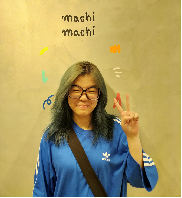
Ms Yvonne Chenyu Wang
Research Assistant
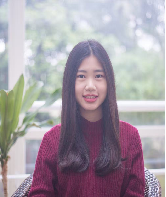
Ms Shanyu Tang
Research Assistant
Lab Alumni

Lang Qin, Ph.D.
Now Assistant Professor at Peking University (PKU)
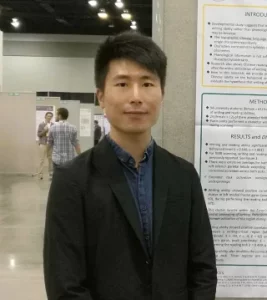
Ran Tao, Ph.D.
Now Assistant Professor at PolyU
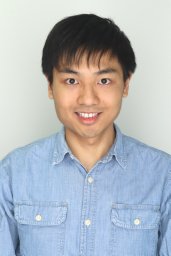
Ralph Chun Yin Liu, Ph.D.
Now Postdoctoral Associate at the University of Western Ontario

Wait for you…
Wait for you..
Lab Photos
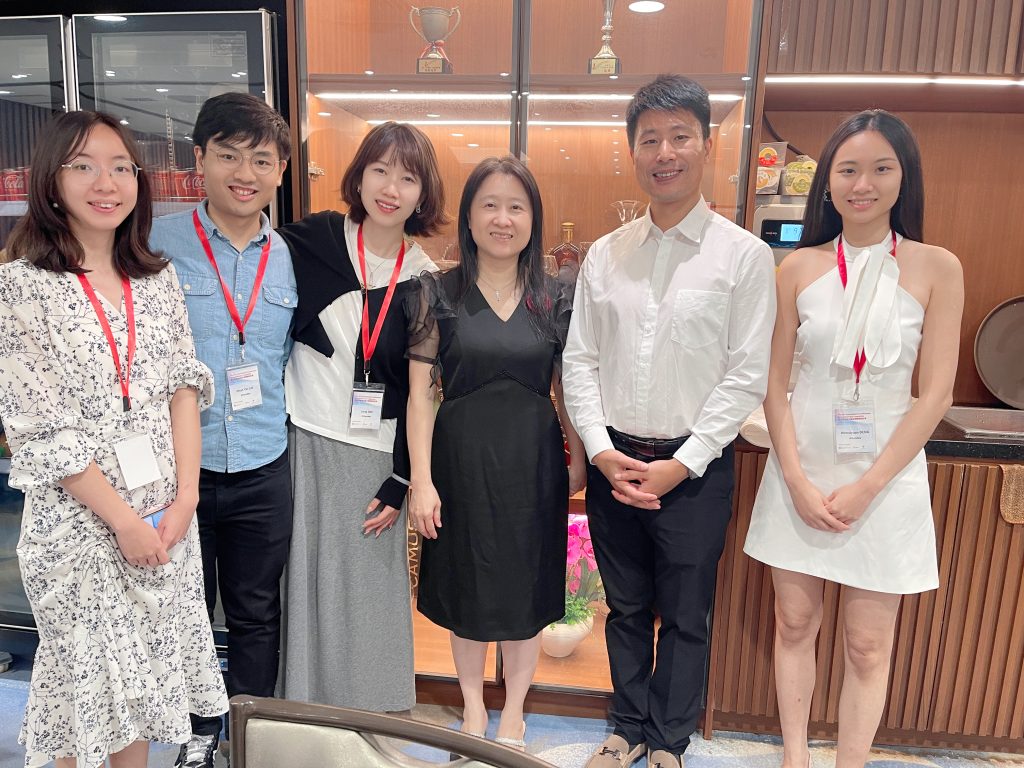
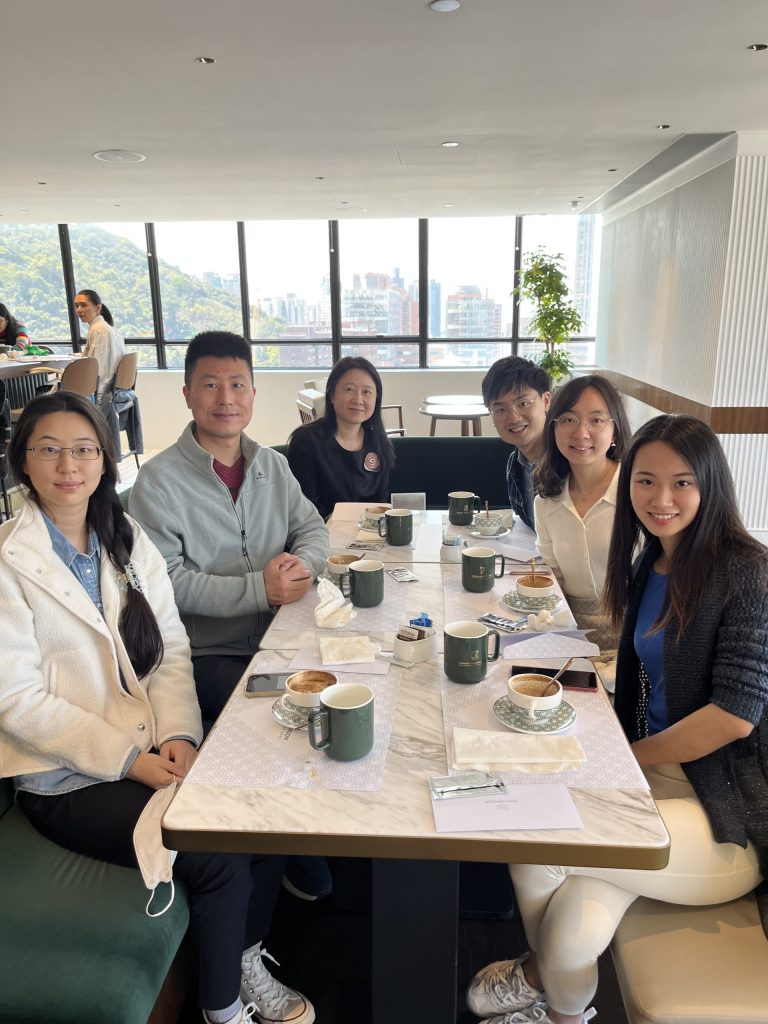
Group Photos of Professor Siok and Our Academic Siblings.